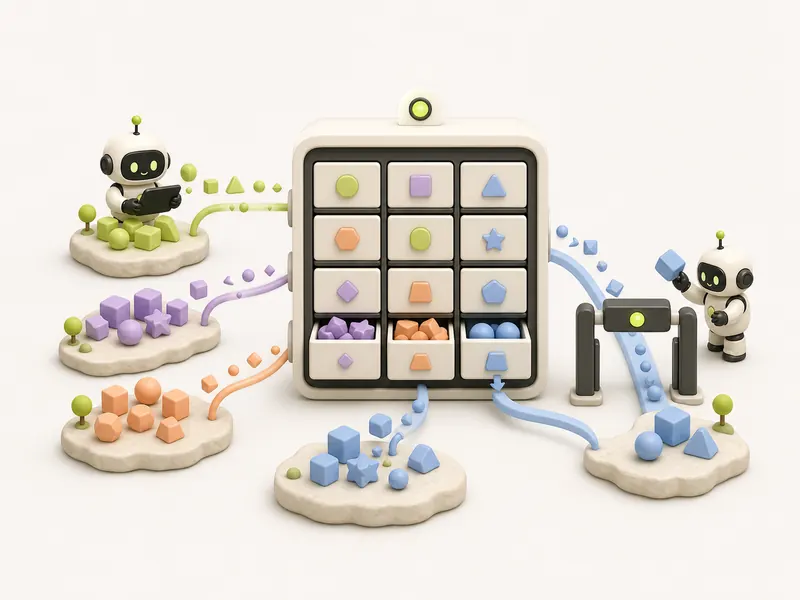
Team of AI Agents by Role
Recurring tasks → one measurable result per role
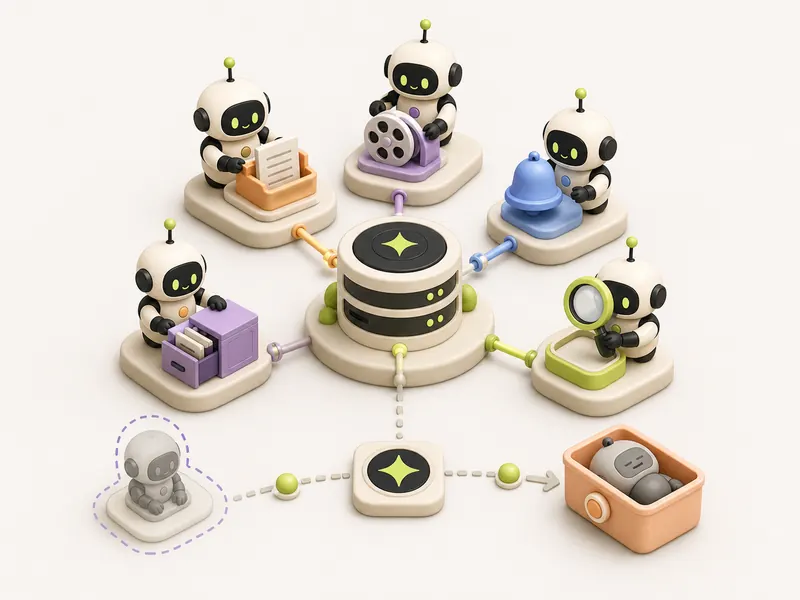
In short
A single universal agent gradually acquires too many tools, data, and responsibilities, making its errors difficult to localize and the usefulness of its role hard to measure.
Outcome
The system defines narrow roles with separate inputs, permissions, acceptance evidence, and owners, adding the next agent only after the previous one is stable.
How the automation runs
Trigger
The team identified a recurring task with a clear input and verifiable output
Automation steps
- Groups recurring tasks by one job per role
- Defines input, output, tools, prohibitions, and escalation path
- Launches one role in a limited pilot
- Collects evidence of useful results and errors
- Opens the next role only after review or removes unused roles from operation
Human check
The owner approves each role, permissions, and external actions; payments, publications, data deletion, and messages to people remain separate explicit approvals.
Outcome
The system defines narrow roles with separate inputs, permissions, acceptance evidence, and owners, adding the next agent only after the previous one is stable.
Automation diagram
The overall logic is publicUsing it
When to use it
Routine is repetitive, but a universal assistant already mixes contexts, and the organization needs a managed way to delegate by one role.
How to verify
Each active role has an owner, minimal permissions, a run log, and verifiable useful output; an unused role is detected by audit and safely disabled by a person.
Tools
Recipe details
Open every recipe through @venturehunter
We ask for no phone number, no password and no Telegram login on the site. @penioza_bot checks your subscription inside Telegram and brings you back here with access to every kit, not just this one recipe.
Need help putting this in place?
We will walk through your process and build this loop around your data, your limits and your people.
Message me — I will help